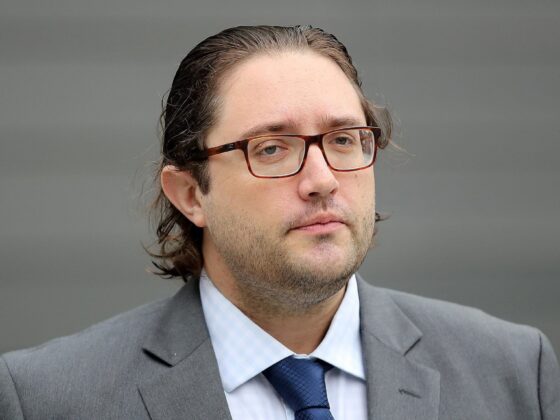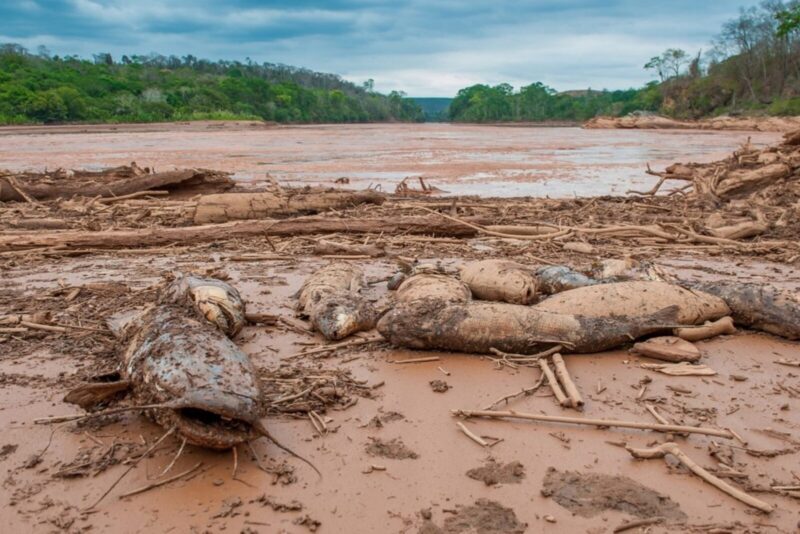
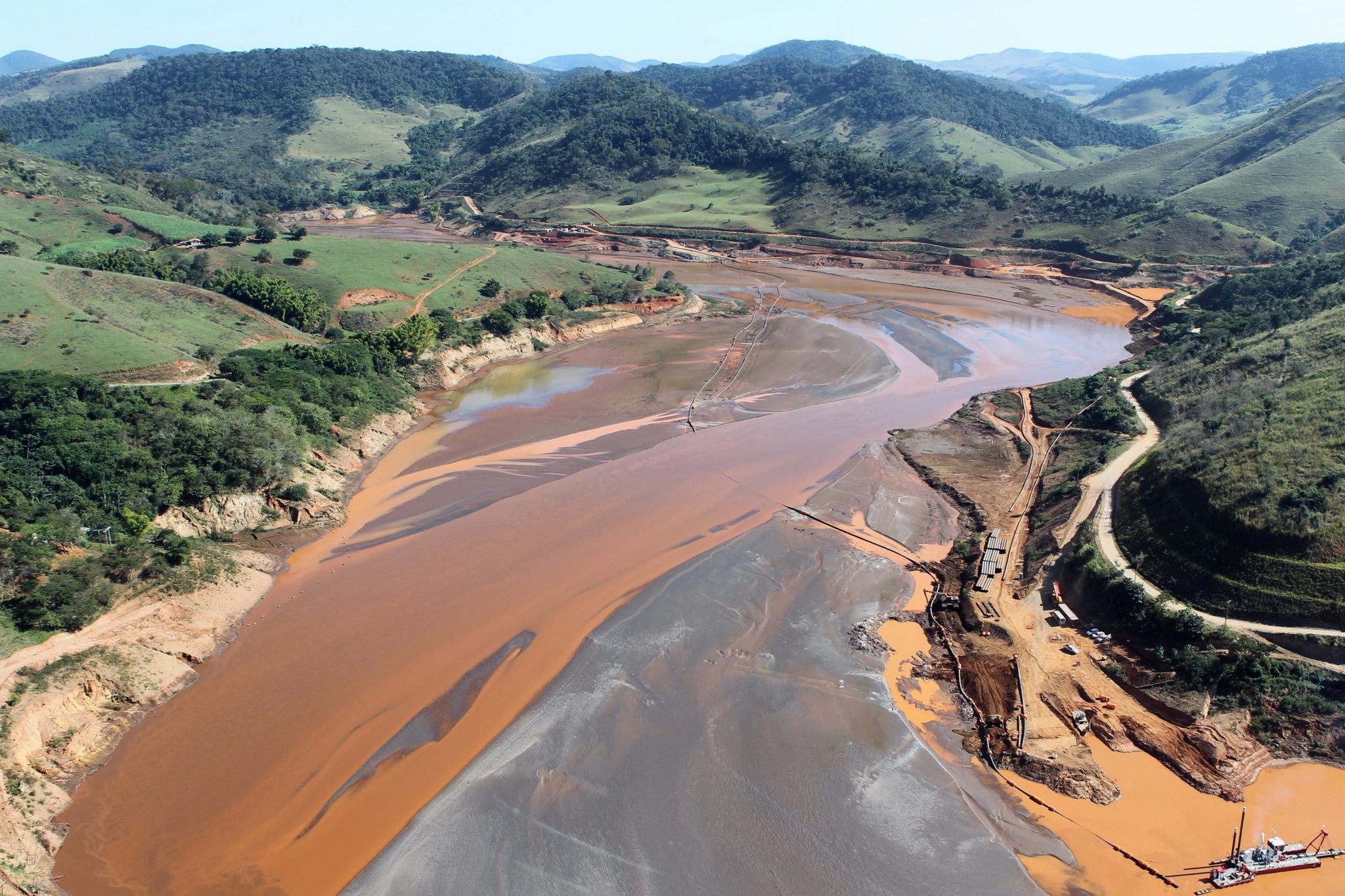
The Mariana Dam claims have remained under intense international attention because of their scale, complexity, and connection to one of Brazil’s most serious environmental disasters. As the legal action continues, attention has increasingly shifted not only to the companies involved, but also to the lawyers and firms representing large groups of claimants.
When prosecutors examine the conduct of legal representatives behind major international claims, the issue can quickly become broader than one case. It raises questions about funding, client communication, legal strategy, and how large claimant actions are managed across borders.
Why Prosecutor Scrutiny Matters
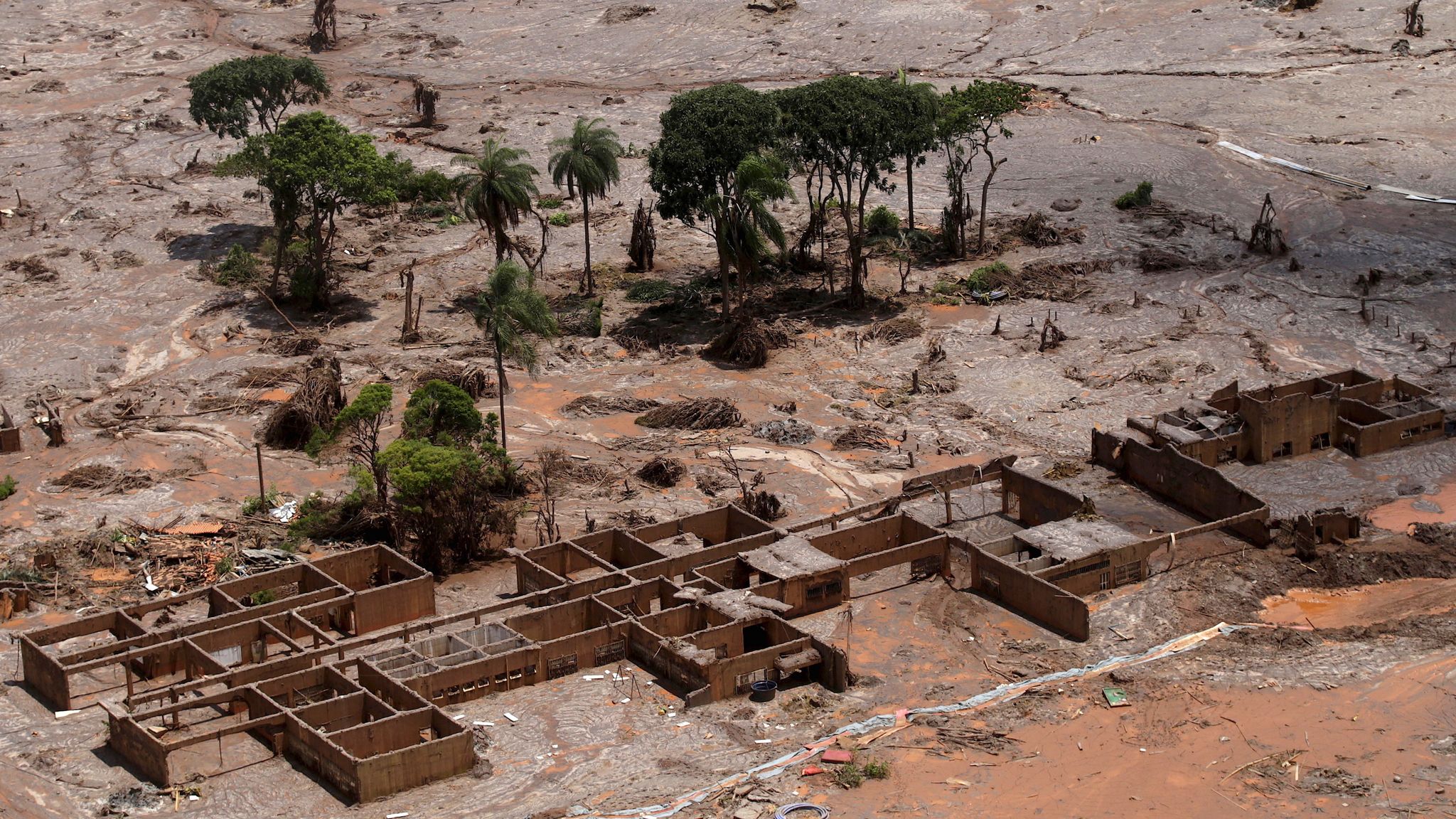
Brazilian prosecutors turning attention to lawyers behind the Mariana Dam claims has added a new layer of pressure to an already complex legal dispute. The situation also reflects wider concerns seen in other large collective claims, including matters linked to the Diesel car scandal, where claimant representation, funding, and case management have all faced close public attention.
Large environmental cases require coordination between legal teams, experts, funders, and thousands of claimants. Because so many people may depend on the outcome, transparency and accountability become essential throughout the process.
Any questions about how claims are organised or promoted can affect public confidence, even if the underlying legal case remains active.
Cross Border Claims Require Strong Oversight
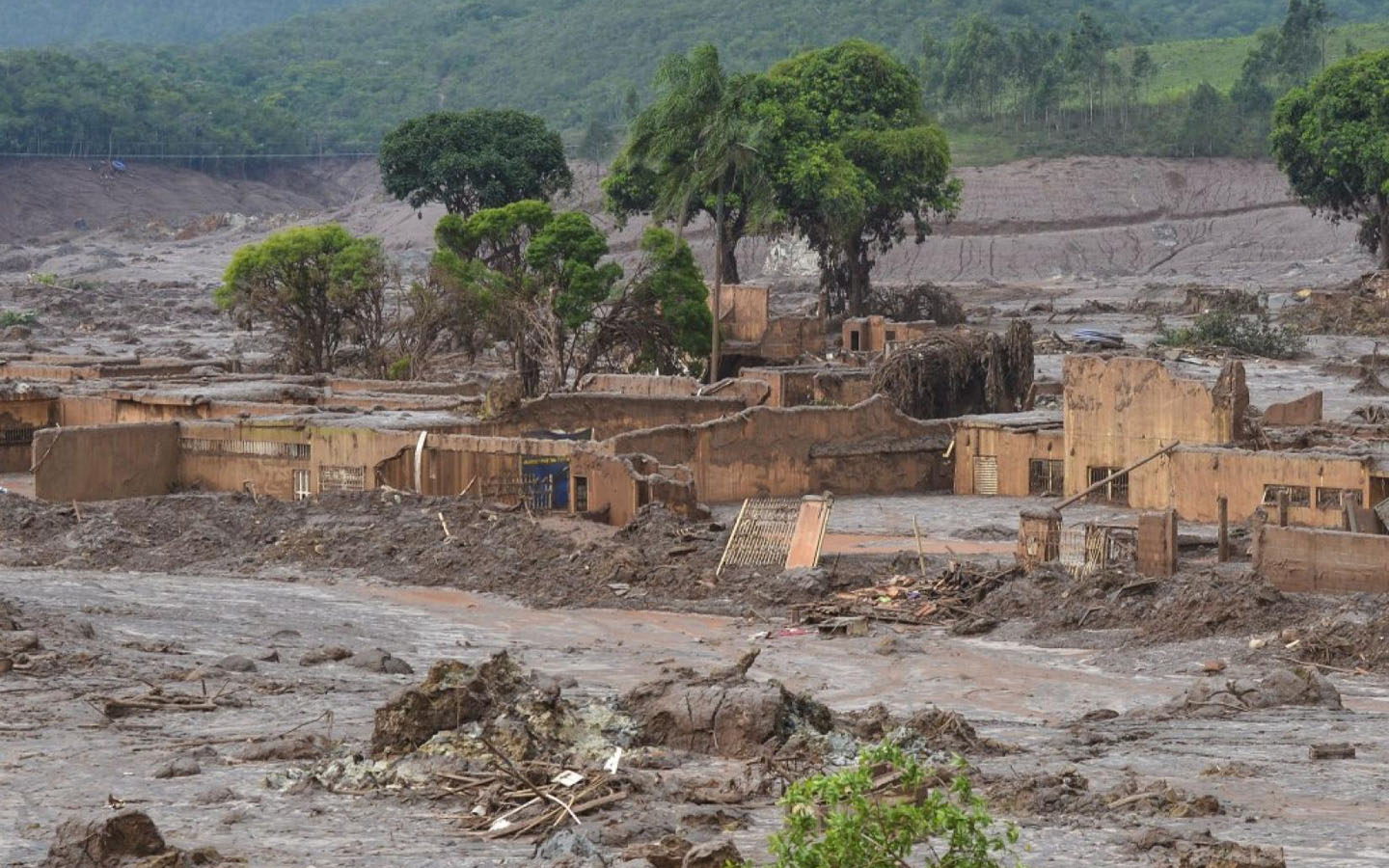
The Mariana Dam litigation involves international legal coordination, which can create additional challenges. Lawyers working across jurisdictions must manage different legal systems, regulatory expectations, client protections, and communication standards.
In cases of this size, clear documentation is vital. Claimants need to understand who represents them, how the case is funded, what risks exist, and how any future compensation may be handled.
Strong oversight also helps reduce disputes between legal teams, funders, and affected communities. Without clear governance, major claims can become vulnerable to criticism and confusion.
Funding And Trust Remain Central Issues
Major group litigation often depends on external funding because the costs of expert evidence, court proceedings, administration, and legal work can be extremely high. This funding can help claimants pursue justice, but it also increases the need for transparency.
Funders and law firms must show that resources are being used responsibly and that claimant interests remain the priority. Prosecutor attention may therefore increase calls for stronger disclosure and clearer rules around funded litigation.
For claimants, trust is essential. They need confidence that their case is being handled professionally and that legal representatives are acting in their best interests.
Conclusion
The focus on lawyers behind the Mariana Dam claims shows how major litigation can place legal representatives under as much scrutiny as defendants. In large international cases, governance, funding transparency, and client communication are critical. As prosecutor attention grows, law firms involved in group claims may face stronger expectations around accountability and oversight. The broader lesson is clear: complex claimant litigation must be managed with discipline, openness, and a strong commitment to protecting the people it represents.